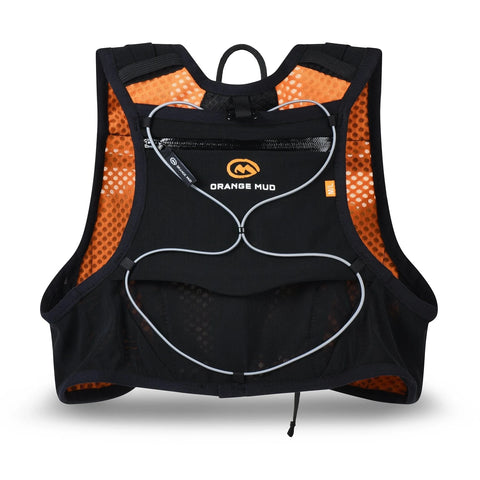
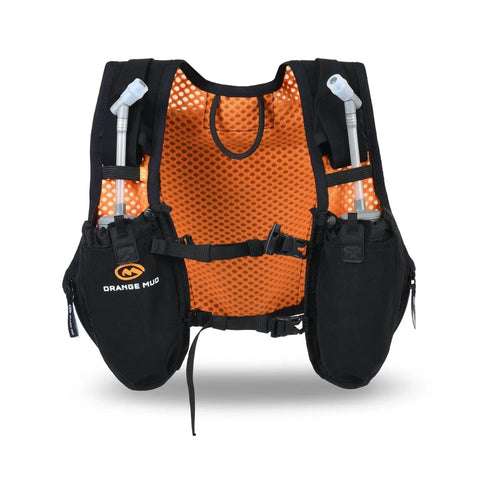
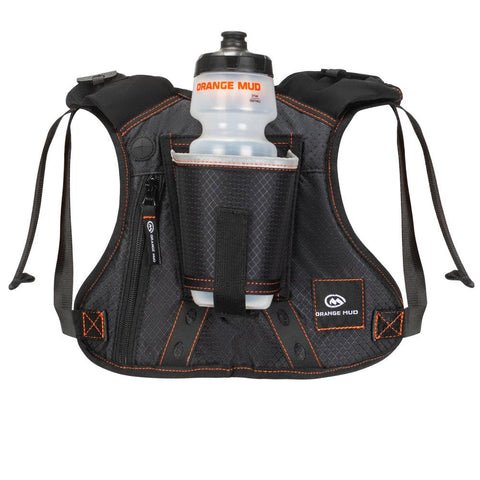
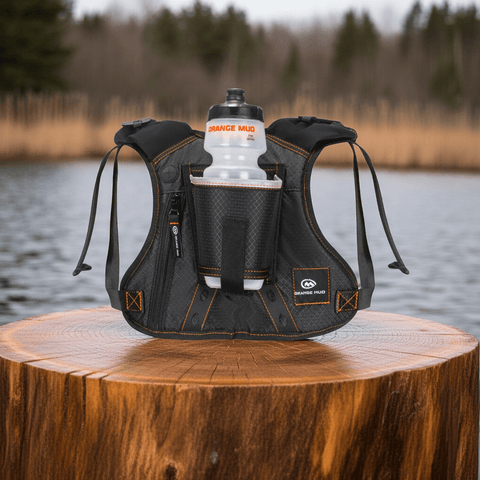
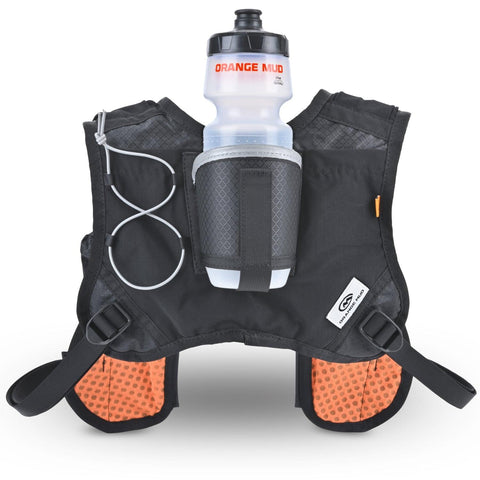
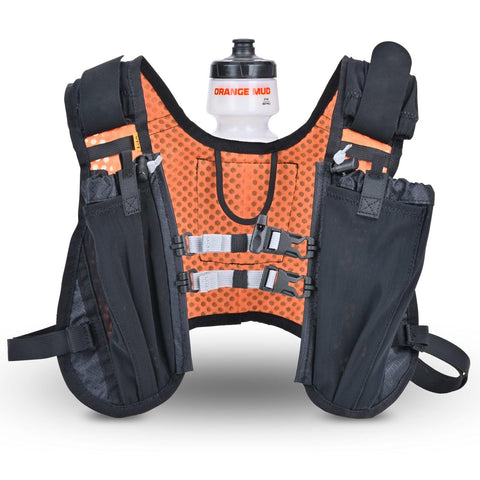
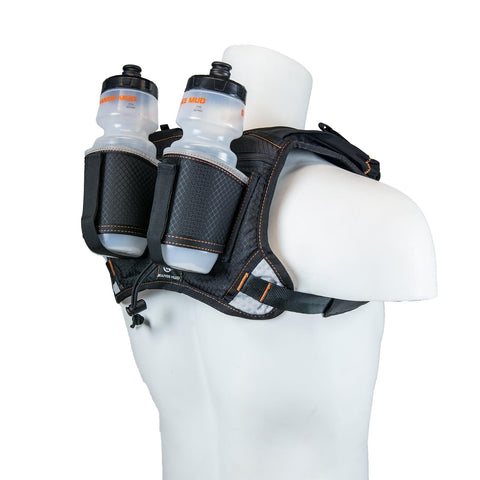
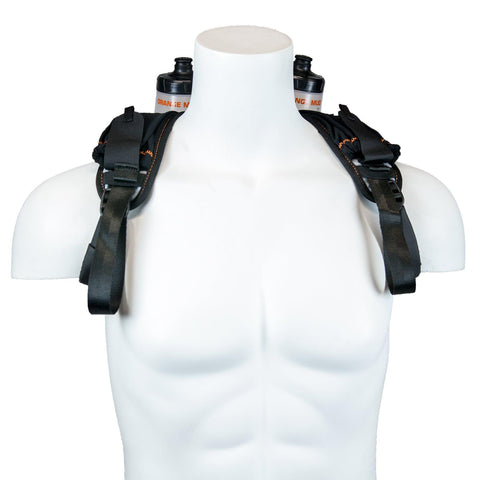
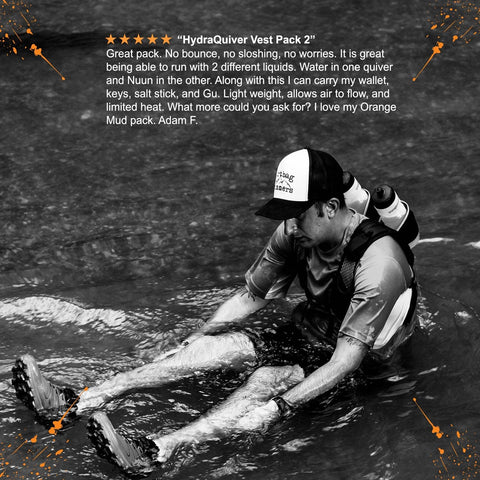
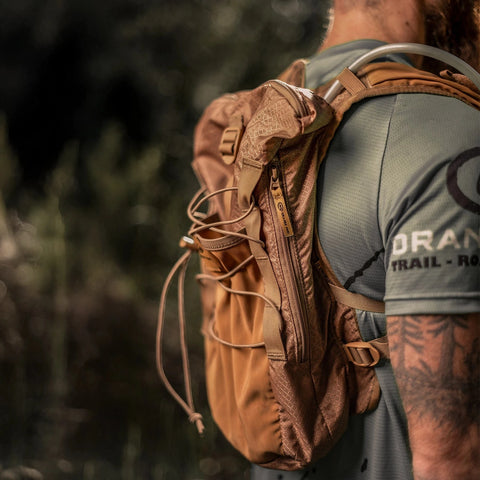
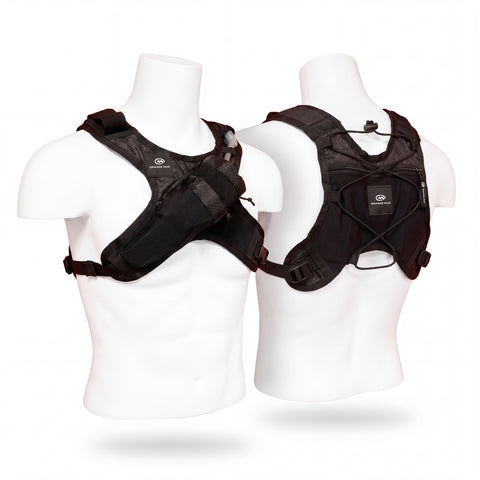
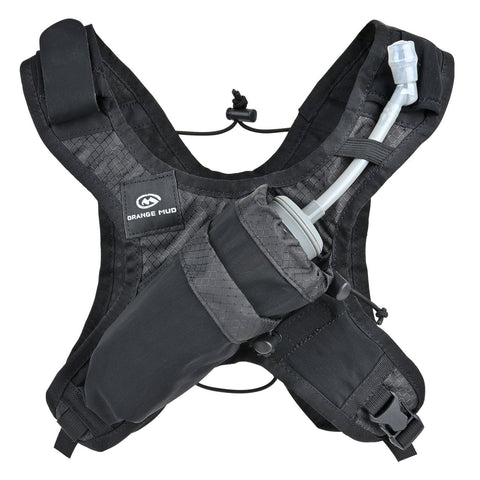
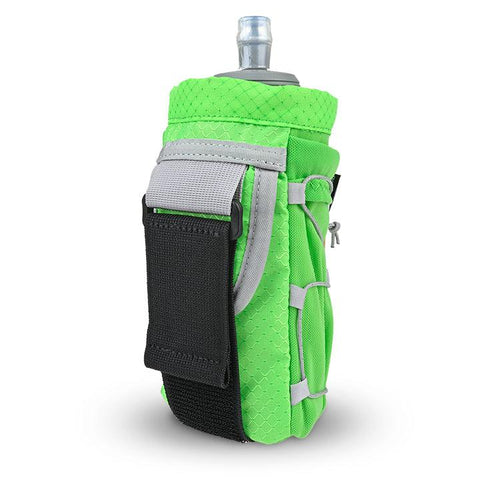
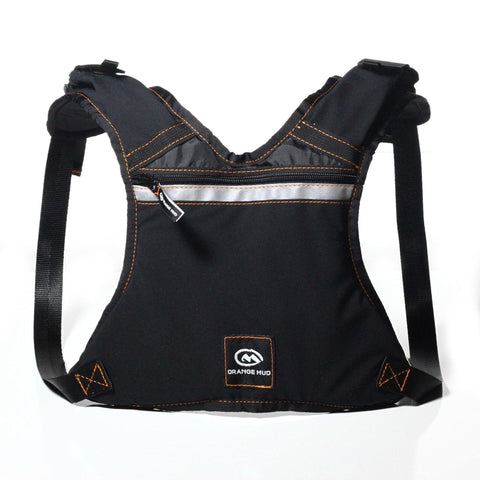
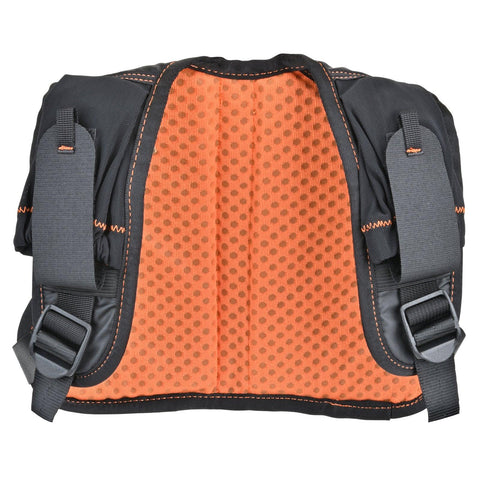
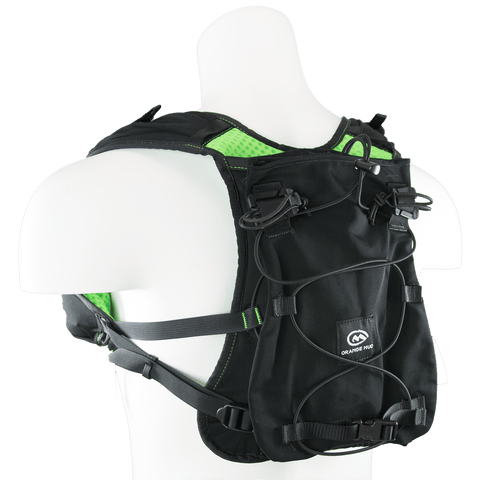
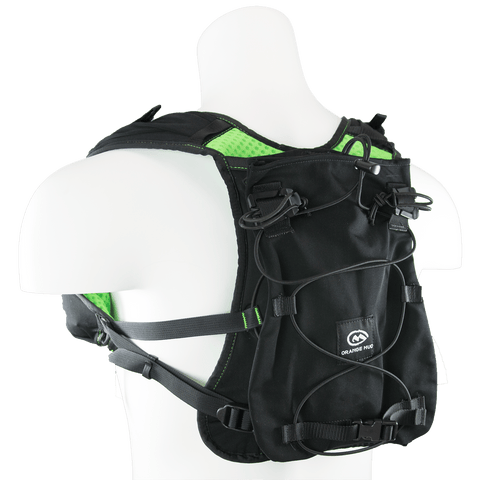
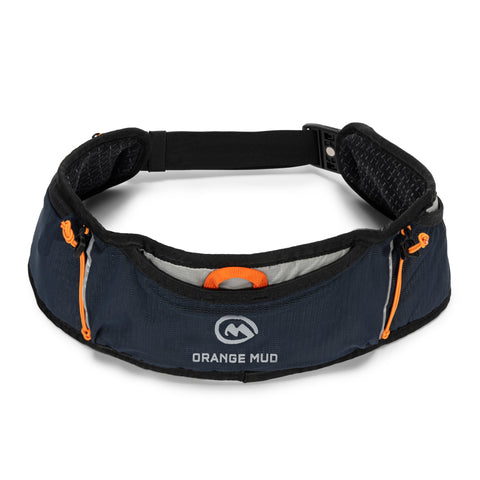
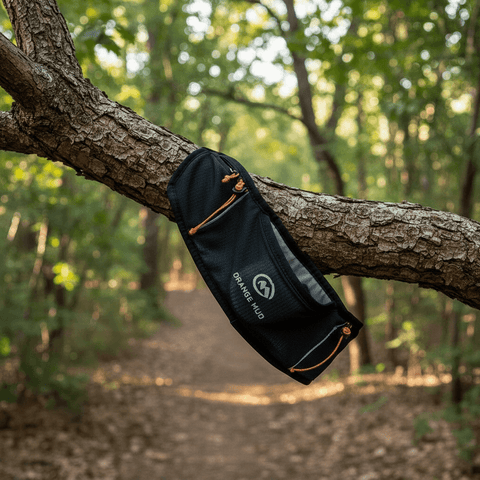
The most important spec in a running pack is not volume or pocket count, it is how it fits and whether it stays put once you are moving. A pack with an inch of play shifts forward on climbs, swings on descents, and creates exactly the kind of distraction that compounds into a bad run once fatigue sets in. Orange Mud's running packs use a close to body, adjustable harness that locks the load against your back, so you set the fit at the start and forget about the pack for the rest of the run.
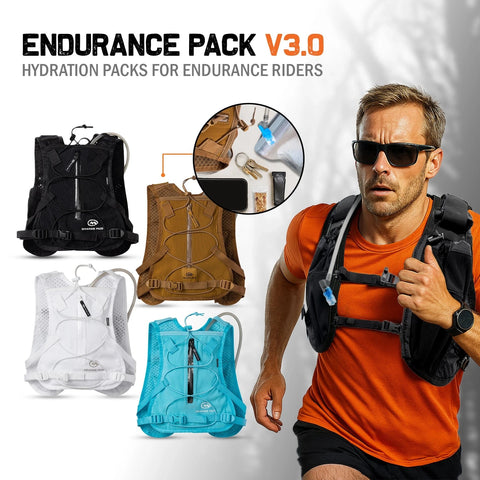
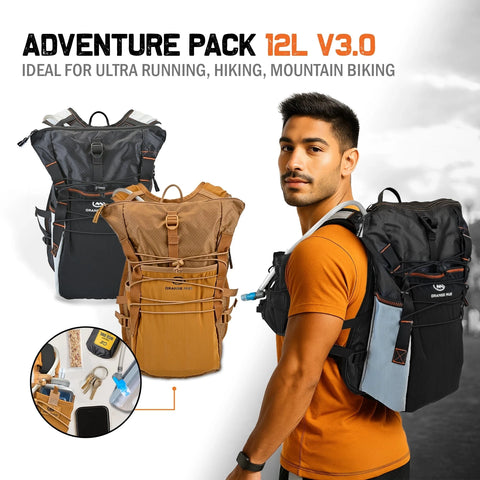
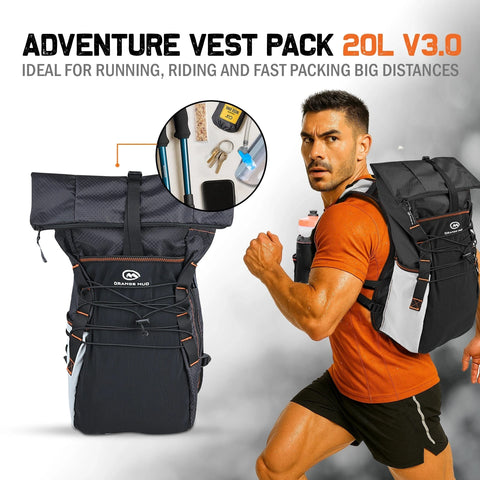
Capacity is the second decision, and the most common mistake is going too big too early. More volume means more weight, and more weight means more bounce potential and a heavier load to carry across the back third of a long run when your form starts to break down. A good rule is to match capacity to your longest regular run with a small buffer, not to your longest possible race. The Gear Vest at 1L is the right tool for most training runs and races under three to four hours. The Endurance Pack at 2L covers the runs where you genuinely need more, and the Adventure Pack covers everything beyond that.
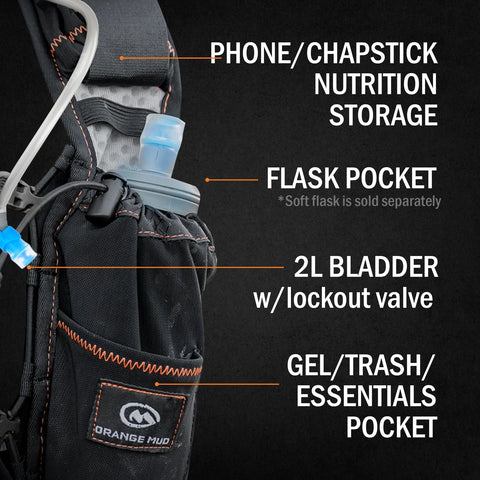
Pocket layout is the third consideration, and one that makes or breaks a pack for athletes who run with nutrition. Front pockets that fit gels without stretching, a phone pocket that does not require two hands to access, and a dedicated spot for a key or a card cover the vast majority of what runners actually need accessible mid effort. Deep rear pockets that require stopping and removing the pack to access are fine for layers and emergency gear but should not be where your primary nutrition lives.
For race day specifically, a pack that you have already run a full long run in is a non negotiable. A new pack on race morning introduces variables, potential for rubbing, unfamiliar pocket locations, and the kind of gear distraction that costs you mental energy better spent on pacing and nutrition execution. Whatever pack you choose, run at least one long training session in it before you race in it.
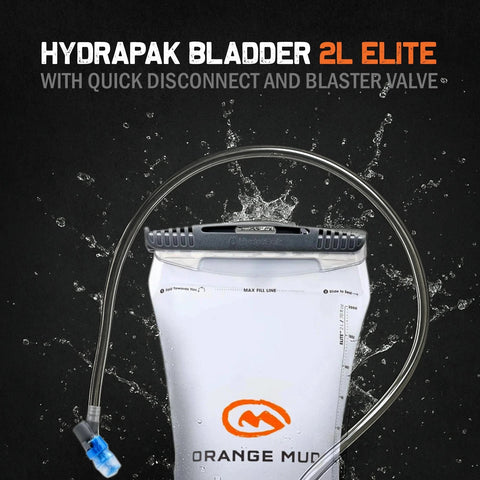
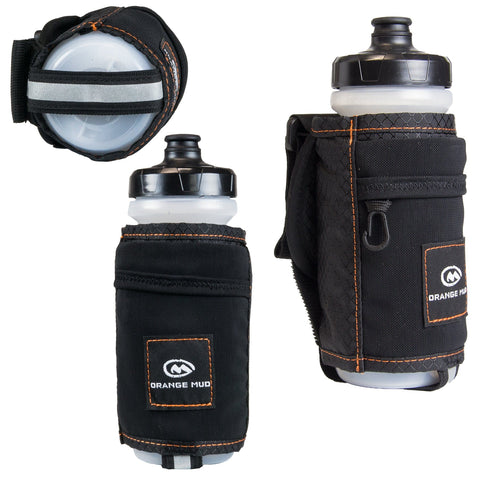
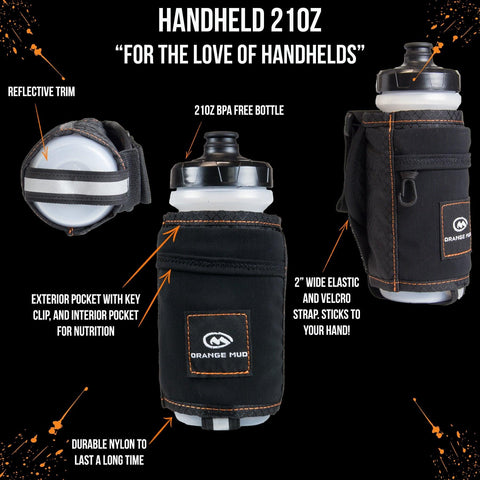
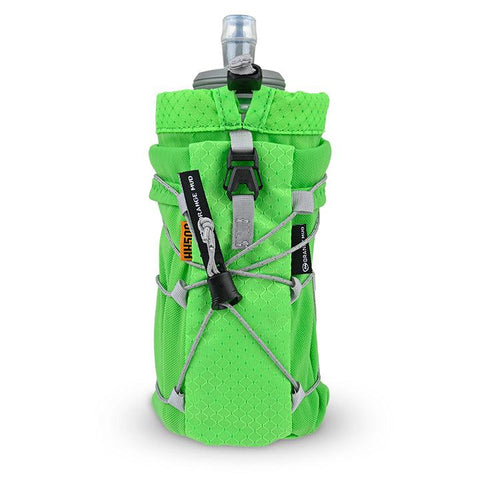
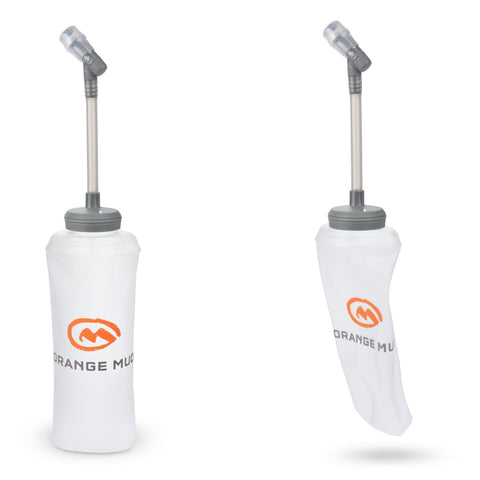
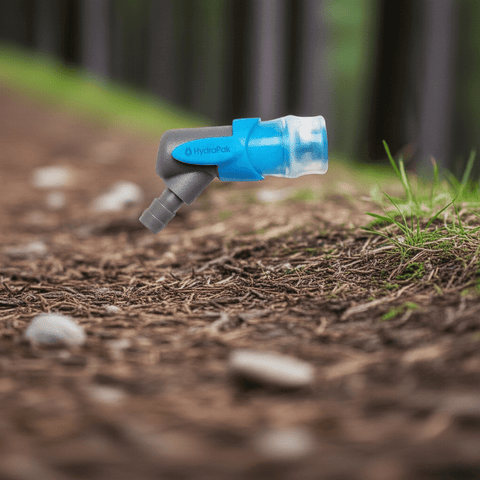
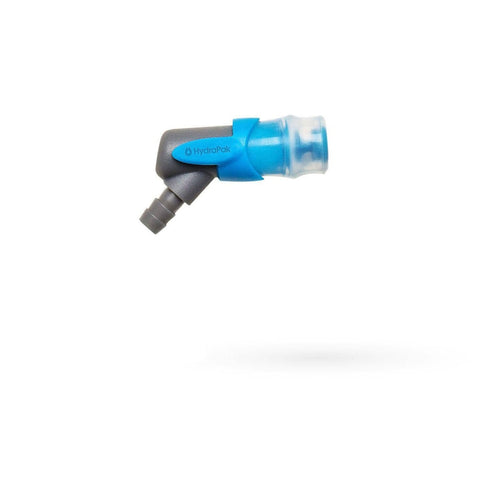
Temperature and conditions are worth factoring in when choosing between a bladder and a bottle based setup. In cold conditions, a bladder's hose can freeze, making bottles the more reliable choice for winter running. In hot conditions, a bladder allows constant small sips without stopping or reaching, which helps athletes maintain hydration rhythm across a long effort without needing to think about it consciously.