

Carry Everything
The only bag you need for active lifestyles
4.9 ★
4,000+ REVIEWS
50K+
RUNNERS SERVED
365
DAY WARRANTY
Sports Bags for Endurance Athletes, Built for Real Training Days
3 products
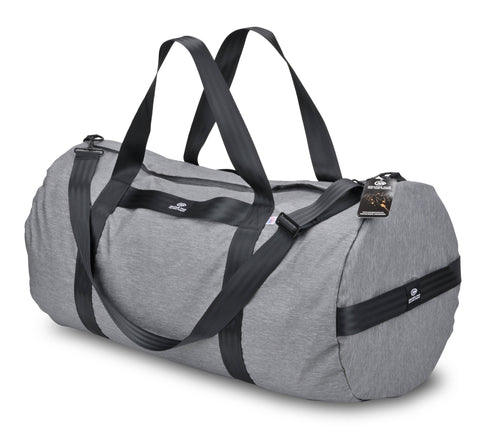
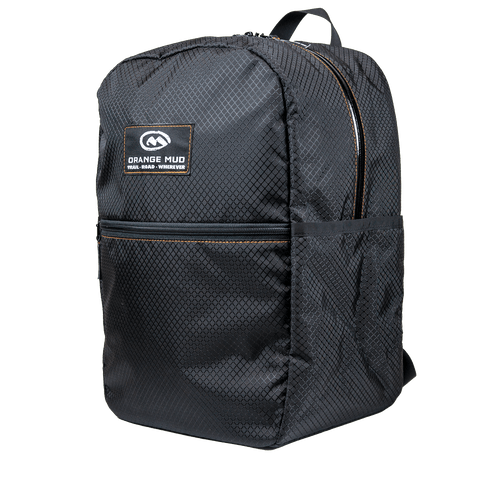
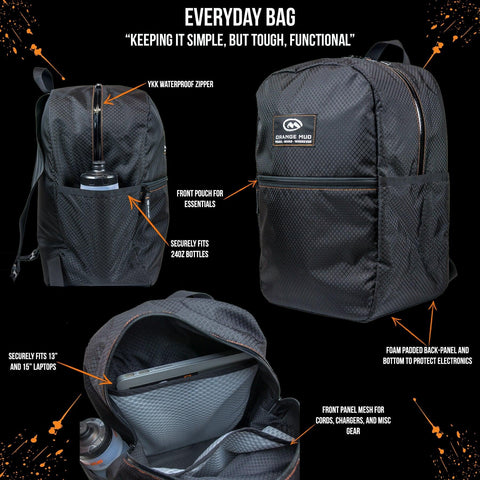
Description
Choosing the Right Sports Bag
Why Athletes Choose Orange Mud Sports Bags
Materials that handle
wet kit, mud, and daily use without degrading quickly
Compartment layout built
for how athletes actually pack, not a generic carry scenario
Durable construction
from a brand that makes gear endurance athletes trust with hydration
Sized for real athlete
use cases, daily training commutes and full race weekend loads
Backed by the same quality
standard as the rest of the Orange Mud lineup
Shop by Use Case
| Bag Type | Best For | Features |
|---|---|---|
| Daily training bag | fits a full kit change | shoes, and recovery gear for gym to work use |
| Race day bag | large enough for full triathlon or OCR kit | built for venue conditions |
| Trail head carry | durable enough for dirt roads | gravel lots, and pre race staging |
| Weekend race bag | structured for two day events | without becoming an oversized luggage situation |
Frequently Asked Questions
For a full triathlon including wetsuit, helmet, two sets of shoes, cycling kit, and running kit, a 40 to 50 litre bag gives you enough room to pack properly. For shorter course triathlons or sprint distances with less gear, a 25 to 35 litre bag is enough.
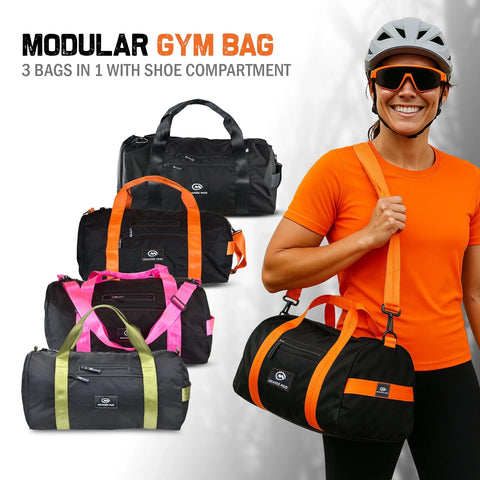
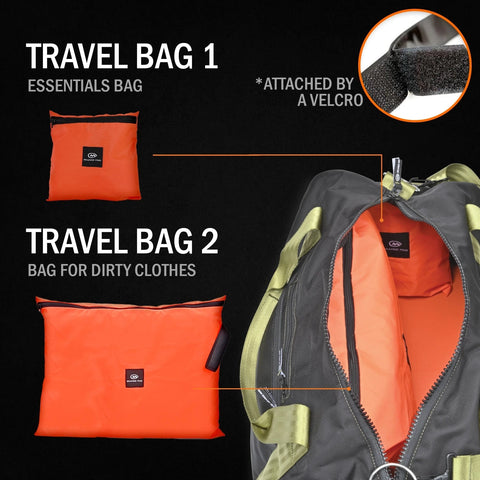
Yes. Orange Mud sports bags include dedicated shoe and wet compartment options that keep dirty or damp items separated from clean kit. Always remove major debris from trail shoes before packing to protect zips and internal fabrics.
Yes. The daily training bags in this collection are sized and proportioned to work as gym to work commute bags, professional enough to sit under a desk, spacious enough to carry a full kit change and shoes alongside daily carry essentials.
Shake out debris and wipe the exterior with a damp cloth. For interior soiling, remove all items, wipe down with mild soap and water, and leave open to air dry fully before repacking. Most mud and surface dirt comes off within a few minutes of wiping.
Yes. External water bottle pockets keep your bottle upright and accessible without opening the main compartment. Compatible with standard sports bottles including Orange Mud's 24oz sport water bottle range.
Yes. The training and race bags are sized to accommodate a folded Orange Mud hydration vest alongside a full kit change and shoes, which is useful for athletes who carry their vest to trail heads or race venues rather than wearing it from home.
Yes. The race day bag handles the full kit load for OCR events including clothing changes, footwear, nutrition, and post race recovery gear. The materials are built to handle the wet and muddy post race conditions that OCR events consistently produce.