




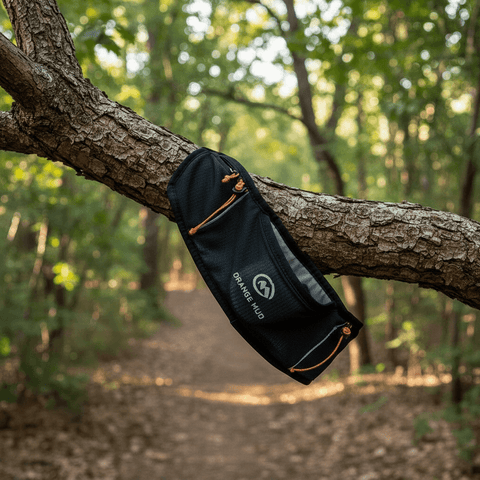
Description
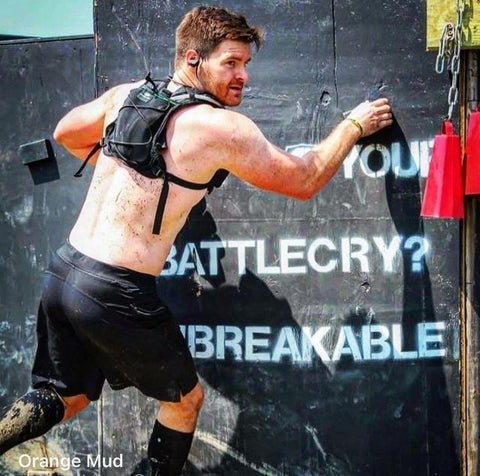
Obstacle course racing breaks most hydration gear. A vest that works fine on a clean trail will gap, fill with mud, shift sideways, or catch on walls the moment you hit a Spartan or Tough Mudder course. Orange Mud's OCR hydration vests are built specifically for the chaos of obstacle racing, staying locked to your body through crawls, climbs, water crossings, and everything the course throws at you.
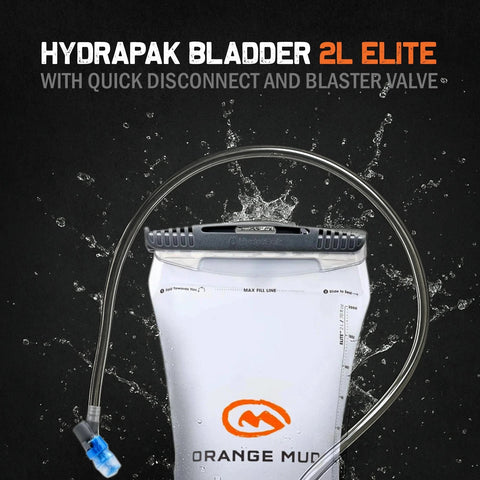
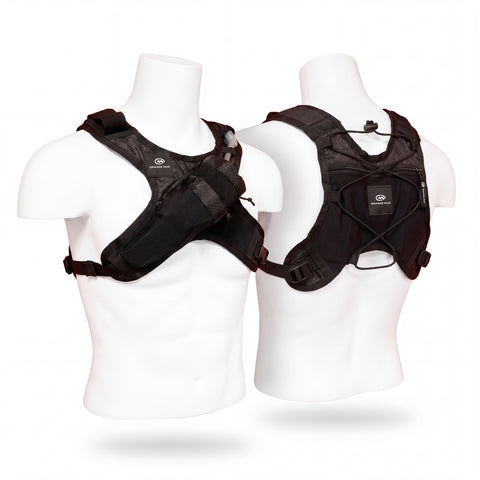
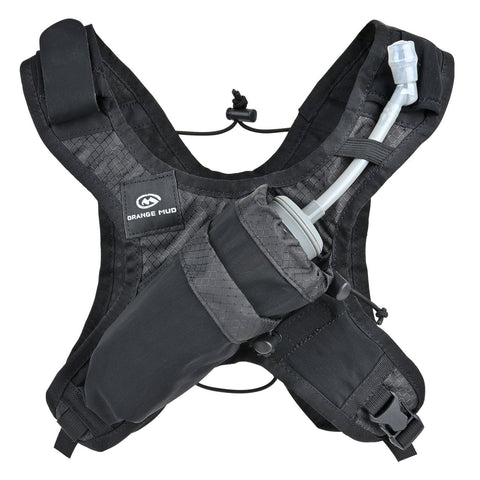
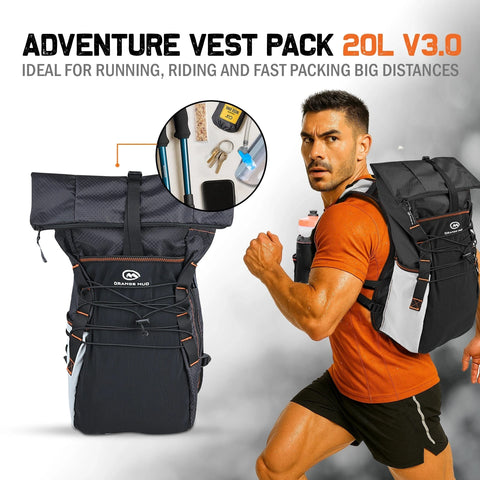
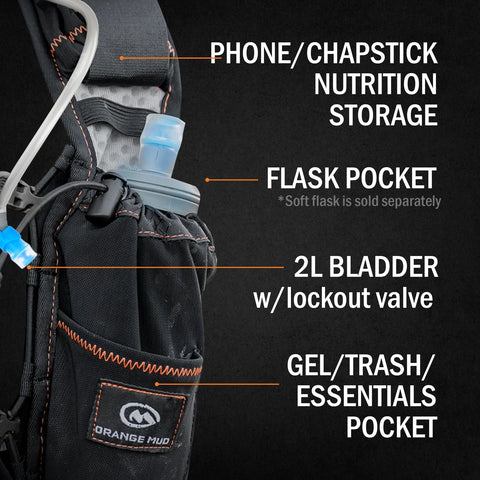
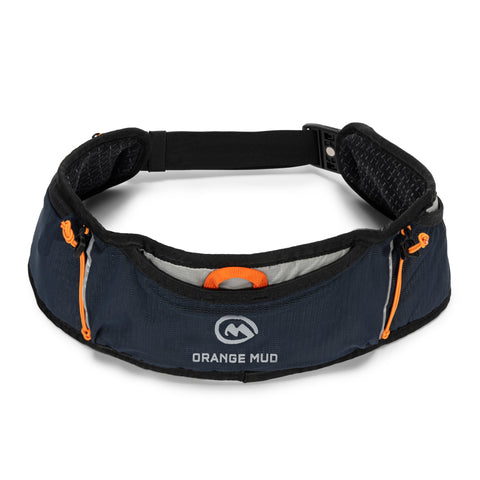
The PFV V2.0 is our dedicated obstacle course racing hydration vest, running a minimal, close fitting profile that gives you nothing to snag on rope climbs, cargo nets, or crawl obstacles. No loose flaps, no dangling straps, no bulk that catches when you're sliding under barbed wire. The Gear Vest adds a 1L bladder for longer OCR courses and ultra obstacle events where you need to carry your own water between unmanned sections.
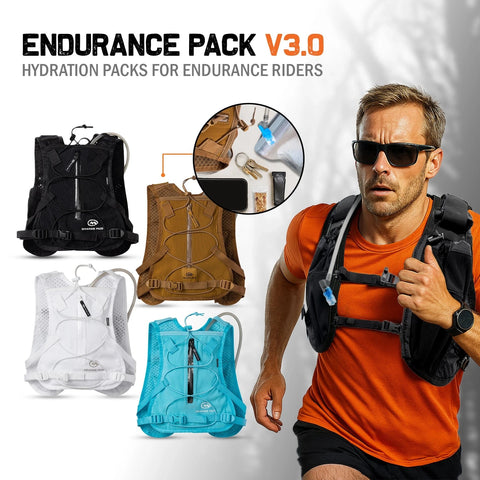
Both vests use Orange Mud's vertical, close to body water placement, so weight stays centered and nothing shifts when you switch from running to climbing to crawling in the space of 30 seconds. That's what makes them the go to OCR running vest for athletes who've already destroyed a generic hydration pack on a course.