Iron Man Training
Endurance Ready

Gear built for extreme endurance

Designed for triathletes pushing limits across swim, bike, and run.

4.9 ★
12,400+ REVIEWS
50K+
RUNNERS SERVED
365
DAY WARRANTY

Ironman Hydration Packs, Built for the Long Run

14 products

Description

The run leg of an Ironman is where hydration strategy either holds you together or falls apart. By the time you're on the marathon, you've already burned through thousands of calories, your body temperature is elevated, and your ability to regulate intake is compromised. A hydration vest that bounces, sloshes, or digs in at mile 10 of the run is not a minor inconvenience at that point in a race, it's a serious problem.

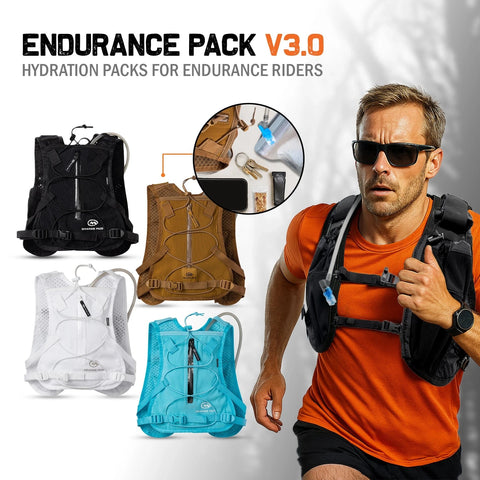
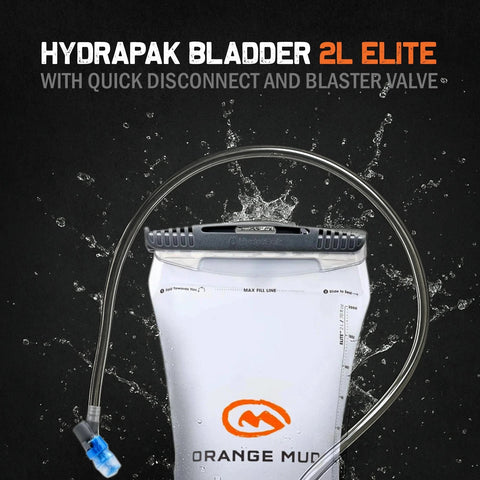
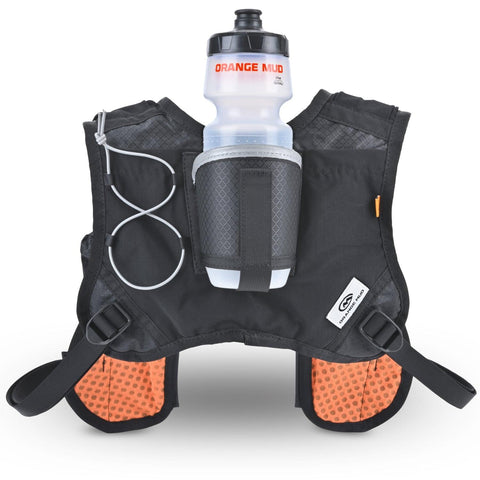
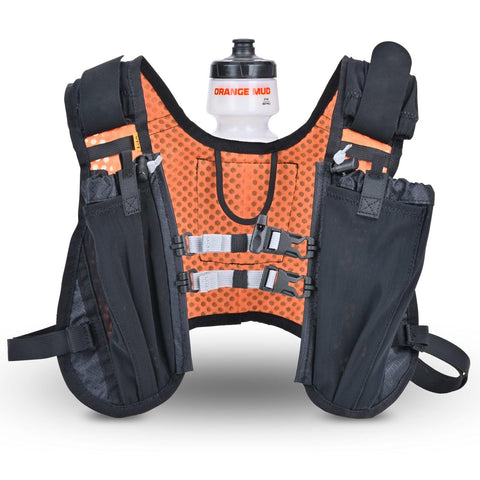
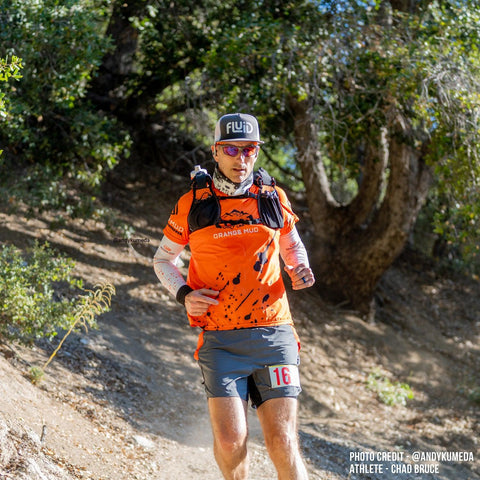
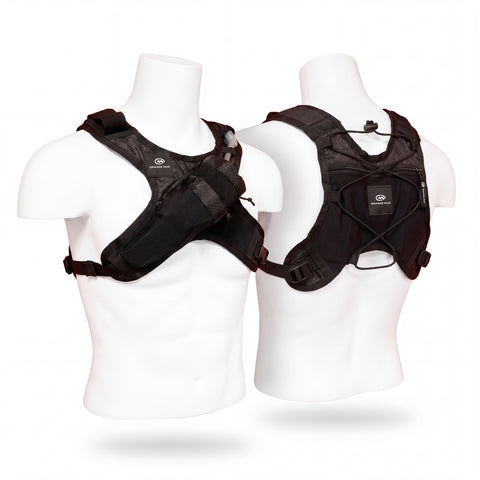
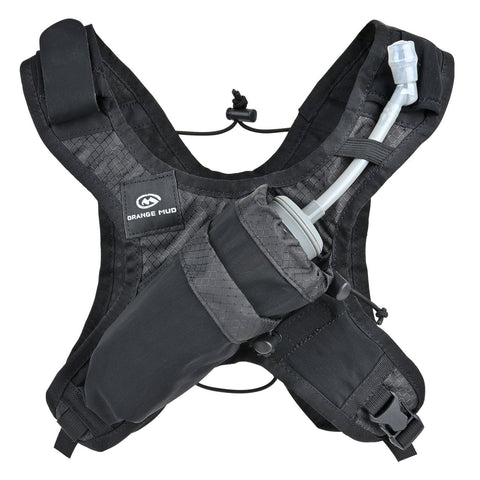
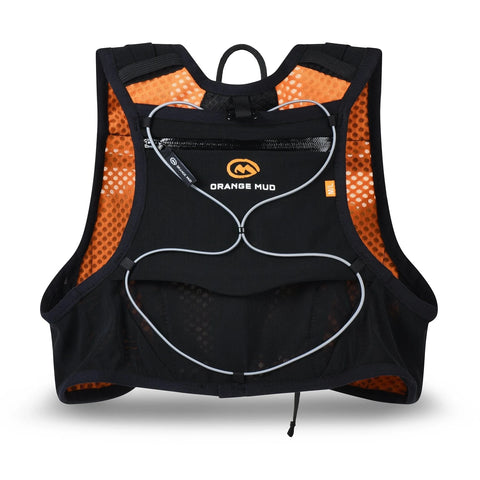
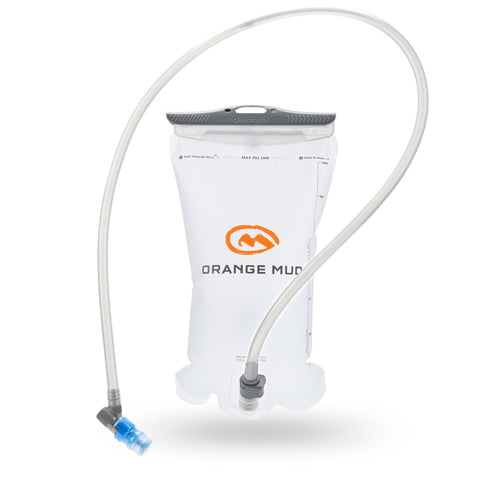
Orange Mud's Ironman hydration packs are built to disappear on your back and stay there through all 26.2 miles of the run. The Gear Vest is a no bounce Ironman hydration vest running a 1L bladder for athletes who plan to top up at aid stations and want the lightest possible setup on the run. The Endurance Pack (2L) is built specifically for long distance triathlon hydration, giving athletes who run between aid stations, race in heat, or carry their own nutrition the capacity to stay self sufficient without weighing down the run.

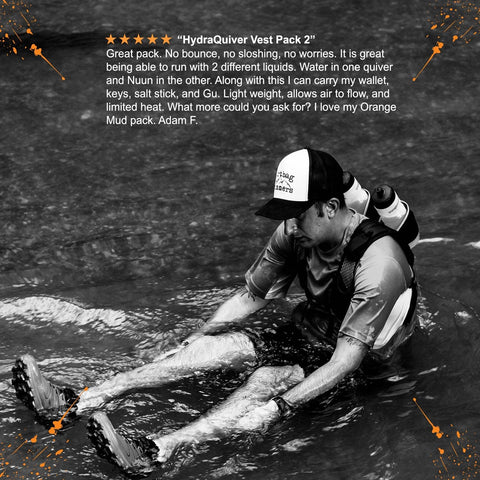
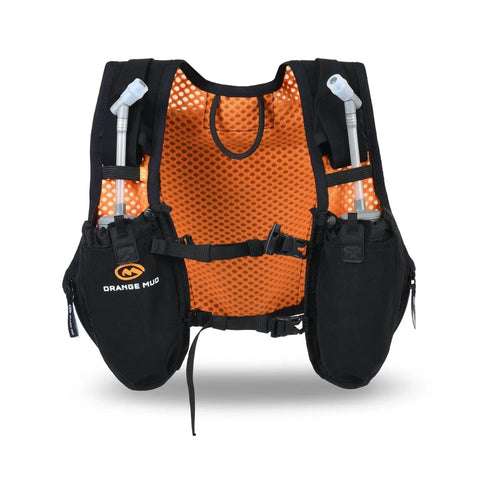
For triathletes who'd rather avoid cleaning a bladder in race week, the HydraQuiver VP2 is a bottle based triathlon hydration vest carrying two bottles vertically, fast to swap at a special needs station and easy to hand off at an aid station without breaking stride.
Choosing a Hydration Vest for Ironman

Most Ironman athletes don't think seriously about their run hydration vest until race week, and that's a mistake. The vest you choose affects your pacing, your fueling rhythm, and how much mental bandwidth you spend managing gear instead of managing effort. Getting it right during training means race day is one less decision.

The first question is aid station strategy. If you plan to run aid station to aid station and rely on the race's water and nutrition supply, a 1L vest keeps weight low and complexity down. If you're carrying your own nutrition, racing in a hot climate where aid station lines cost time, or targeting a finish time that leaves less margin for slowing at stops, the 2L Endurance Pack lets you run longer stretches self sufficiently.

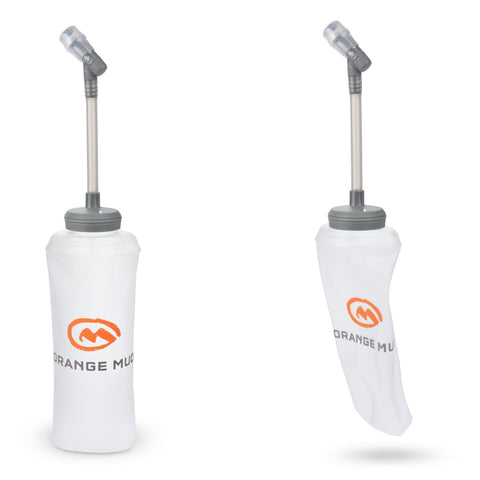
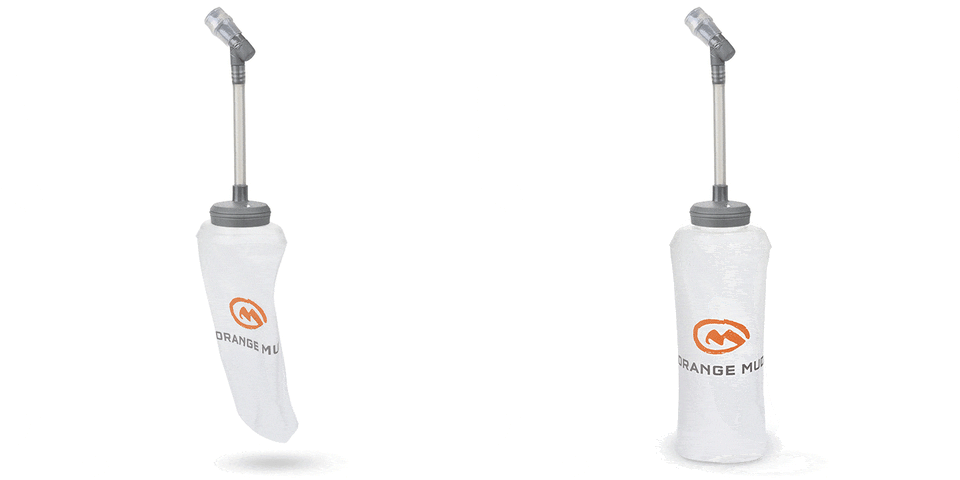
The second question is bladder versus bottles. A bladder is convenient for constant sipping without reaching for anything, which suits athletes who like to hydrate little and often across a long run. Bottles are faster to swap at a special needs station or hand off to a support crew, and they make it easier to track how much you've actually drunk across the back half of the marathon. Both options are in this collection.

Fit across a full Ironman run is different from fit on a training run. By mile 16, your core temperature is higher, you may have some swelling, and your pain tolerance for anything that's rubbing or digging in has dropped significantly. Orange Mud's Ironman vests are built with a wide, padded waistband and a breathable back panel specifically to stay comfortable late in a race, not just for the first hour out of T2.

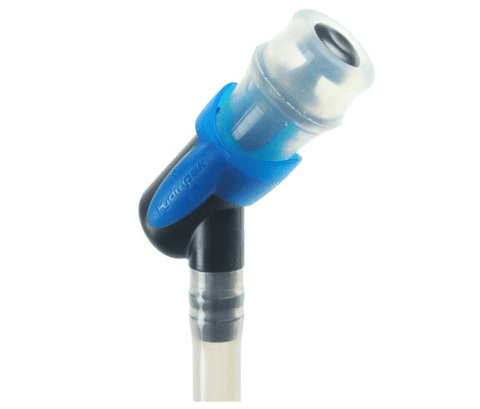
Race day testing matters more for triathlon than for standalone running events. Wear your vest on your longest brick training sessions, specifically the run portions, so you know exactly how it fits when you're already fatigued from the bike. Adjust strap tension with the bladder full, confirm pocket placement works in your run stride, and make sure the bite valve or bottle position is where you can reach it without looking down.

Built for Race Day, Not Just Training

No-Bounce Performance

engineered for 26.2 miles after a full swim and bike

Bladder or bottle

options to match your aid station and fueling strategy

Breathable & Lightweight

build that stays comfortable late in a race

Front pockets

for nutrition, gels, and race bib without extra weight

Proven across full Ironman

half Ironman, and long course triathlon racing

Shop by Race Distance and Strategy

All three are built to stay stable through a full Ironman run without bounce, shift, or chafe.

PackHydrationBest For
Gear Vest1L bladderLight setup for athletes racing aid station to aid station
Endurance Pack2L bladderFull and half Ironman distance with more water on board
HydraQuiver VP2Dual bottleBottle-based, fast swaps at special needs and aid stations

Frequently Asked Questions

If you plan to carry your own nutrition, race in hot conditions, or run longer stretches between aid stations, yes. A vest eliminates the need to slow down or stop at every aid station and keeps your fueling plan on your terms rather than dependent on race support.
The Endurance Pack (2L) is built for Ironman distance, giving you enough water capacity to stay self sufficient across a full marathon run while keeping the fit stable and the profile lightweight.
A bladder suits athletes who like to sip steadily and hands free across a long run. Bottles are better for athletes who want fast swaps at special needs stations or need to track intake precisely across the back half of the marathon.
No. Orange Mud's Ironman vests use a no bounce, close to body harness with a padded waistband and breathable back panel engineered to stay stable and comfortable across the full 26.2 miles, including late in the race when tolerance for gear problems is lowest.
It depends on the conditions and aid station frequency. In moderate conditions with well stocked aid stations every mile, a 1L vest may be enough. In heat, for athletes racing with wider station gaps, or for anyone carrying their own nutrition, 2L gives you the margin to run your own race.
Yes, and you should. Train in the exact vest you plan to race in so fit, strap tension, pocket access, and hydration rhythm are already dialed before race morning.
Yes. The same vests work across half Ironman, full Ironman, and other long course triathlon formats. Choose the 1L Gear Vest for shorter distances or well supported courses, and the 2L Endurance Pack when you want more water on board regardless of race distance.