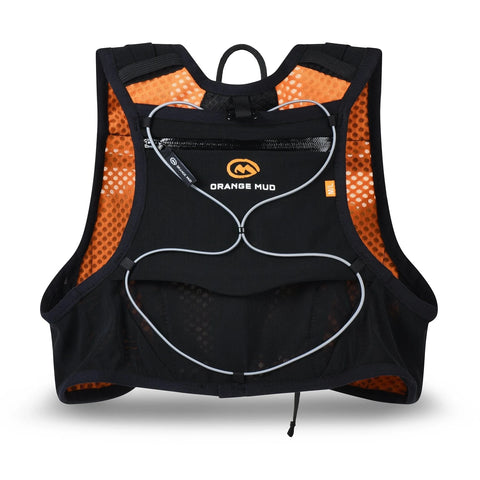
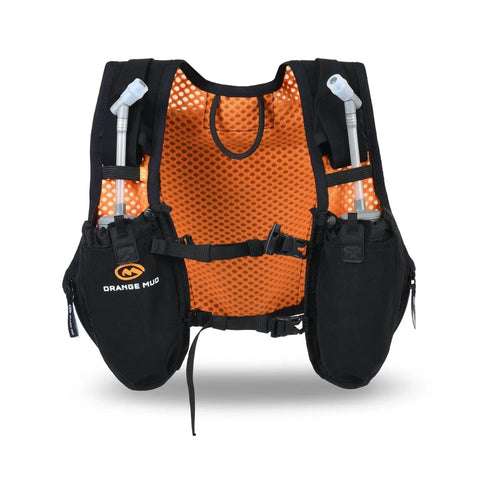
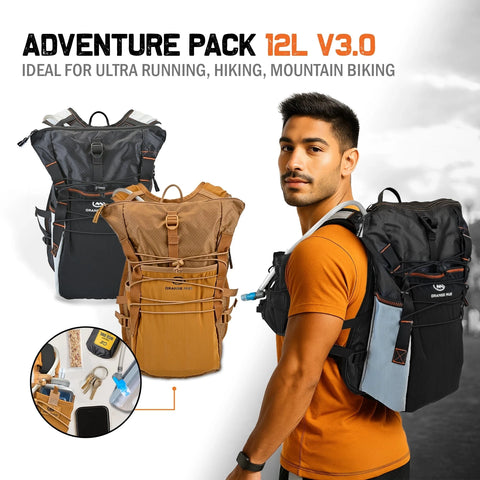
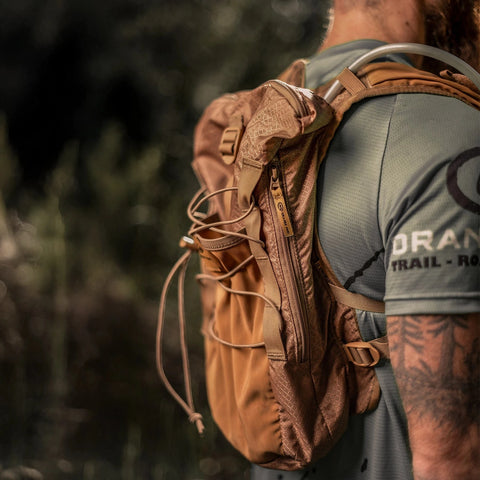
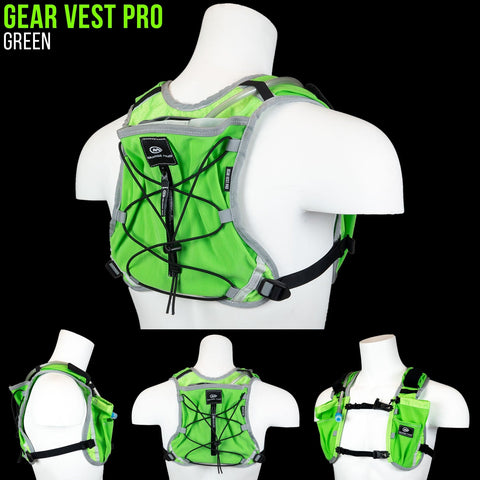
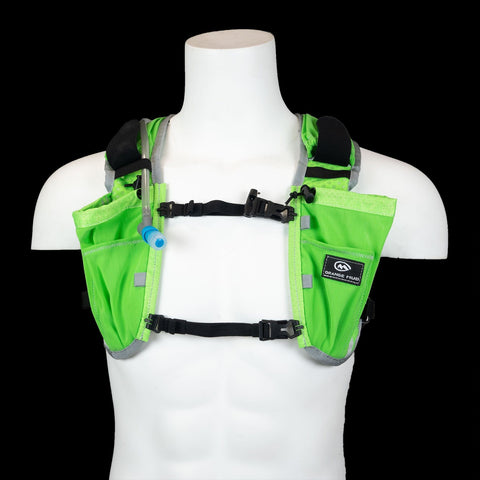
The biggest decision in this collection is bladder versus bottle. It is worth taking a minute to understand both rather than defaulting to whichever one you started with.
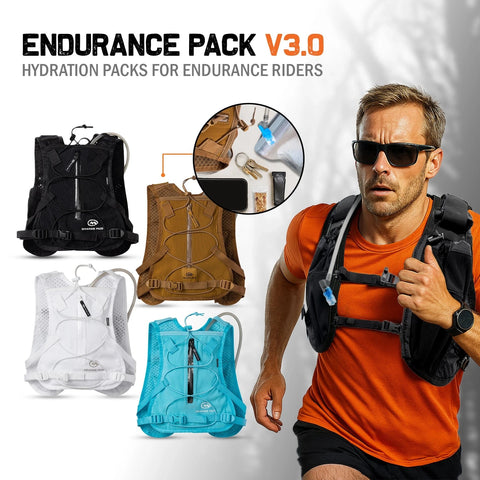
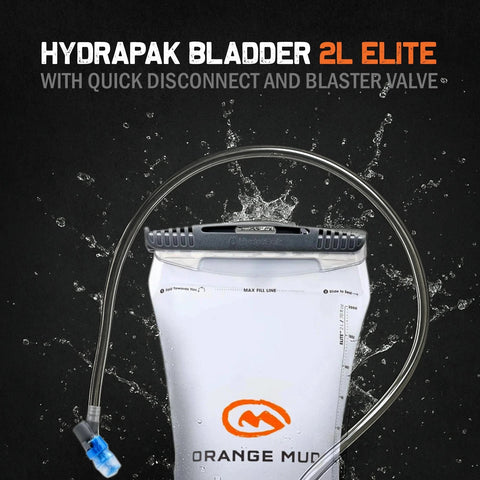
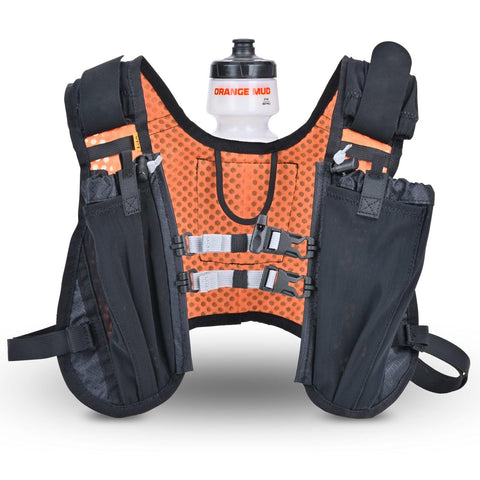
Bladder based systems, meaning the Gear Vest and Endurance Pack, are built for athletes who prefer to sip steadily without reaching for anything. The bladder sits against your back, the hose routes over your shoulder, and you drink by biting the valve without breaking stride or changing hand position. This is the system that most trail runners, ultramarathoners, and long distance hikers gravitate toward for efforts over two to three hours, because the constant availability of water without any conscious action makes it easier to stay consistently hydrated across a long day.
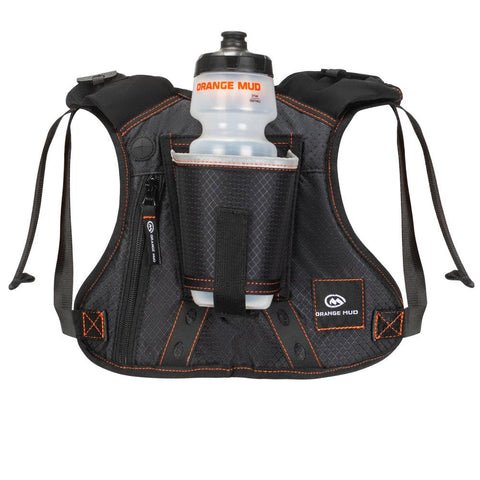
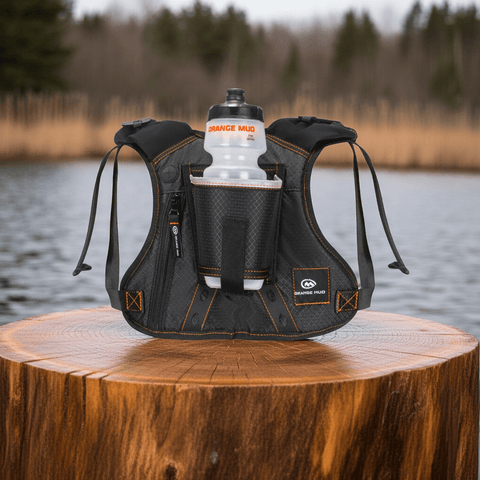
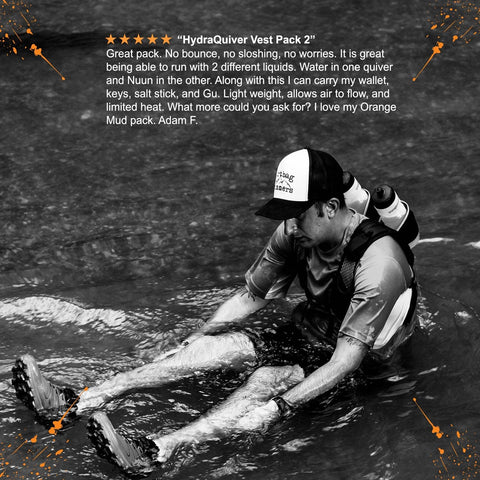
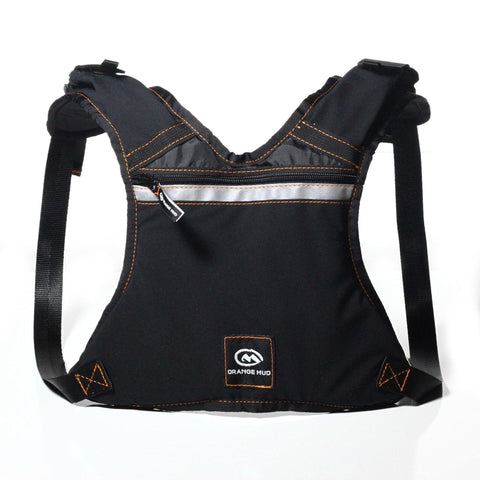
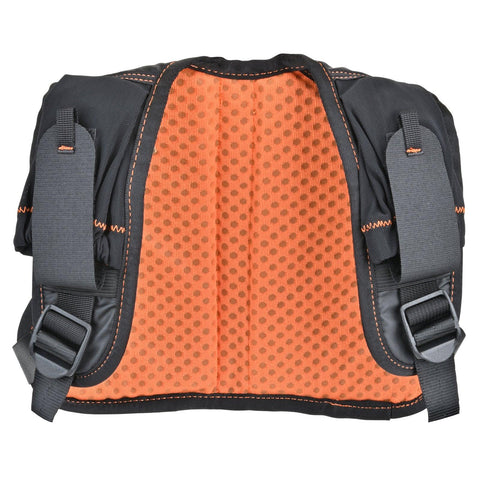
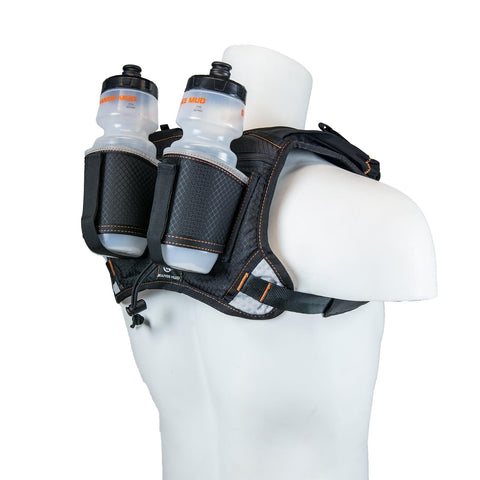
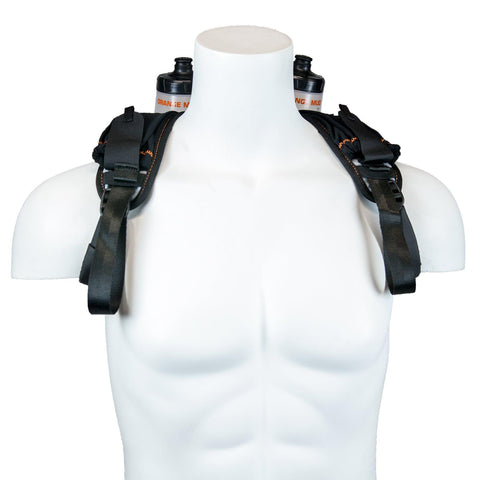
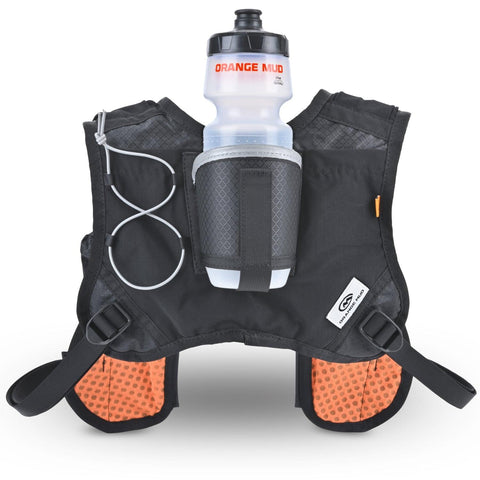
Bottle based systems, the HydraQuiver VP1 and VP2, are built for athletes who want simplicity, fast refills, and a clear view of their consumption. Bottles sit vertically above the center of gravity, so they stay stable and balanced rather than sloshing side to side. At an aid station or a water source, you pull the bottle, fill it, drop it back in, and go. There is no hose to thread, no bite valve to position, and no guessing how much water is left. This is the preferred setup for road and marathon runners, road and gravel cyclists, triathletes who want fast T2 refills, and any athlete racing a course with frequent aid stations where quick refills beat large reservoir capacity.
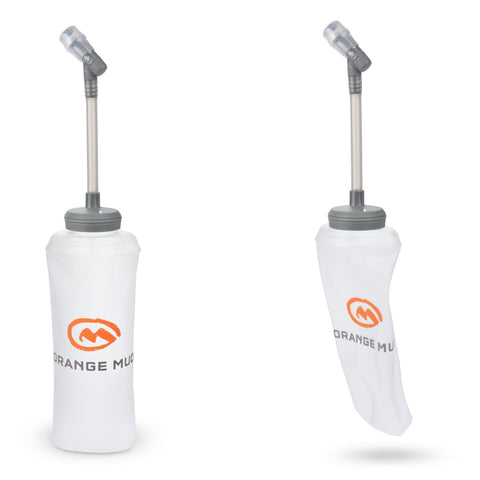
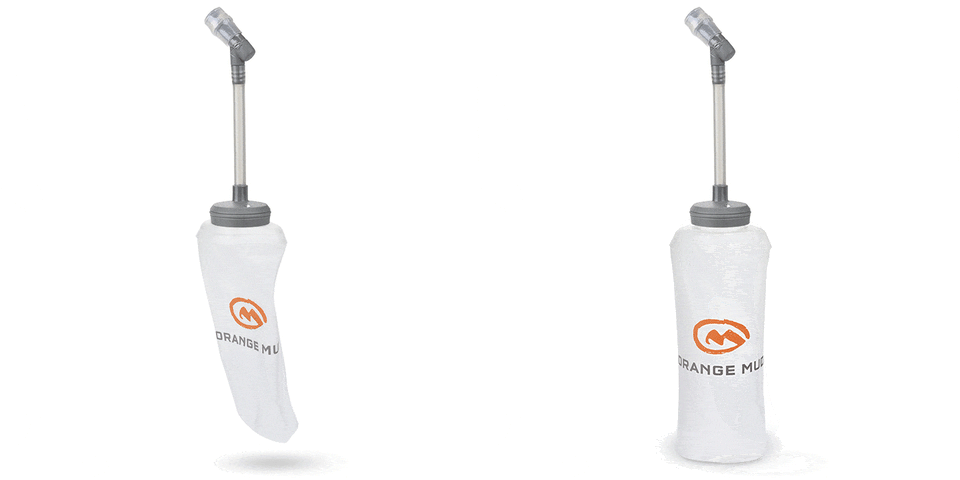
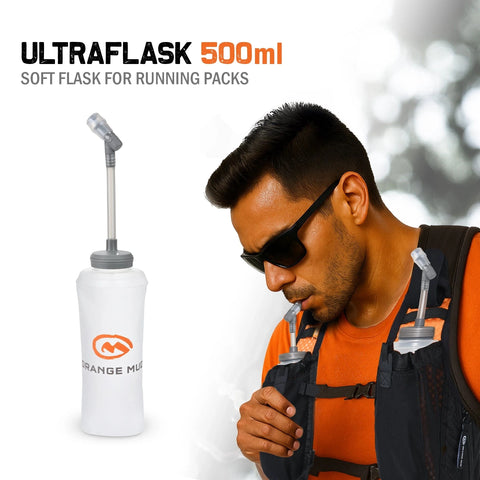
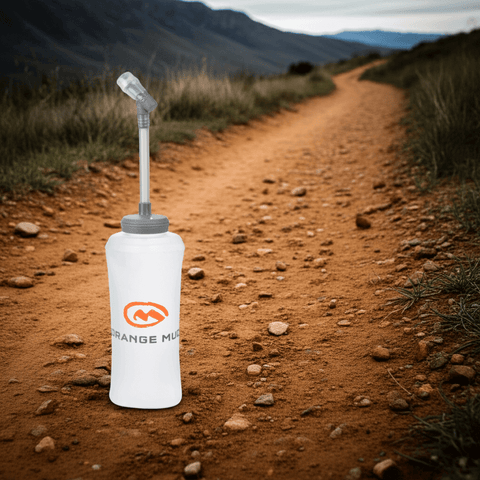
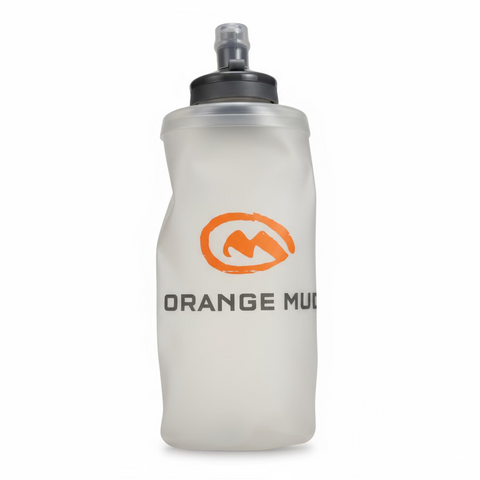
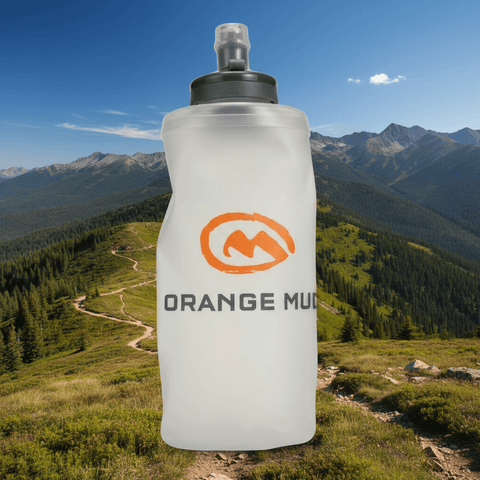
Soft flasks occupy a specific and useful middle ground. They compress as you drink, so there is no air pressure change or gurgling, and they pack flat when empty. This makes them the best option for front vest pockets on ultras and trail races where you want accessible backup capacity without the weight of a hard bottle. Most athletes running a bladder vest will carry a soft flask in a front pocket on races that are long enough to warrant extra capacity or unpredictable enough that aid station reliability is not guaranteed.
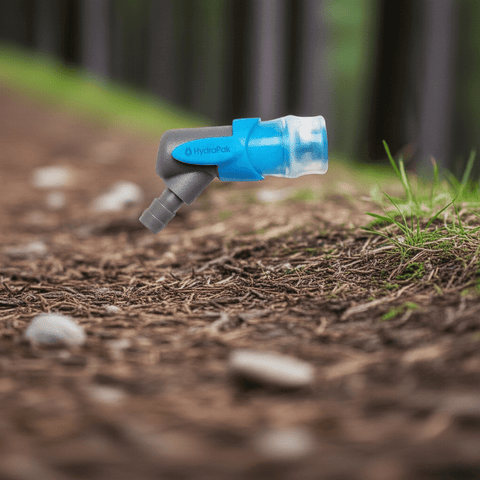
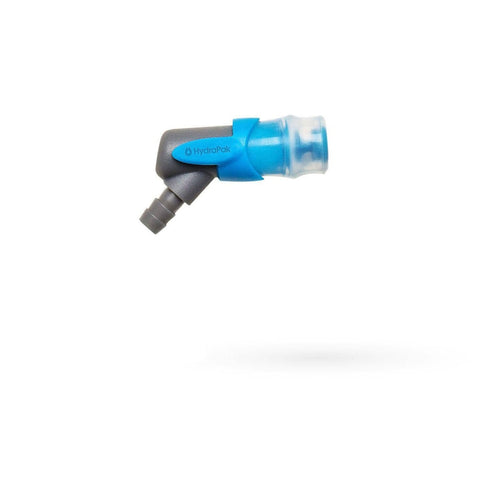
Accessories in this collection are what keep your main system running clean and reliable across a full training season. The biggest mistake athletes make is waiting until a bladder fails mid race to replace it. A spare bladder costs far less than a ruined race. A fresh bite valve takes thirty seconds to swap and fixes the kind of slow leak that makes athletes drink less than they should because reaching for the valve becomes a minor irritation they stop bothering with. These small maintenance purchases are what separate athletes who have reliable gear from athletes who deal with gear problems at inconvenient times.