


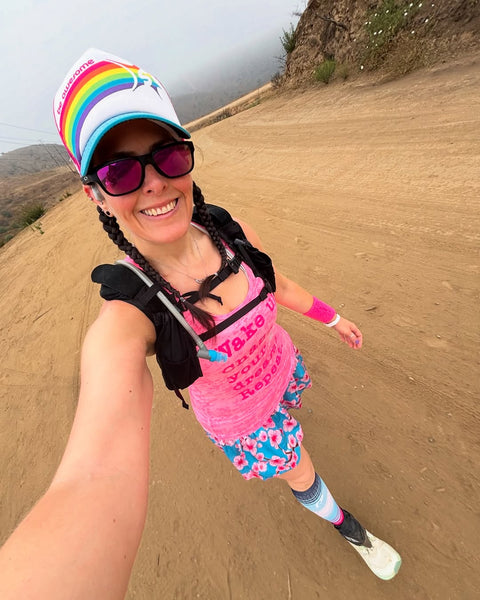
Running alone is an incredible experience that provides a sense of peace, freedom, and personal accomplishment. It’s an opportunity to clear your head, connect with nature, or simply focus on your own rhythm. However, your personal safety should always be a top priority. Being prepared and aware can make all the difference. Here’s how to stay safe when running alone.
1. Plan Your Route with Precision
Before you lace up your shoes, you need a solid plan.
Thoroughly Research Your Area
Even in familiar territory, stick to well-traveled routes, especially when running at times of low visibility. Avoid running on secluded trails or poorly lit roads, particularly at dawn, dusk, or after dark. If you're traveling, use a mapping app to pre-run your route virtually.
Inform Someone of Your Plan:
Always tell a trusted friend or family member your exact route and your estimated return time. Apps with real-time tracking features, such as Strava Beacon, Garmin LiveTrack, or Glympse, are invaluable tools that allow loved ones to monitor your location and send for help if you don’t return as expected.
Account for Conditions
Stay informed about weather conditions. Running in extreme heat can lead to heat exhaustion and dehydration, while storms can create hazardous footing and reduce visibility.
2. Maximize Your Visibility and Situational Awareness
Visibility and situational awareness are two of the most critical safety measures you can take.
Dress to Be Seen
Wear bright, high-visibility clothing at all times. If you are running in low light, reflective gear is a must. A headlamp can illuminate your path, help you avoid obstacles, and alert drivers and cyclists to your presence.
Limit Auditory Distractions
While music can be motivating, it can also be dangerous. It's best to run without headphones, but if you must have music, use only one earbud or opt for bone-conduction headphones that leave your ears open to ambient sounds. You need to be able to hear approaching traffic, a cyclist ringing a bell, or a person approaching you from behind.
Maintain Constant Vigilance
Regularly scan your environment. Be mindful of who is ahead of you, what cars are passing you, and if anyone seems to be following you. Make eye contact with others; this simple act can show that you are observant and not an easy target.
Listen to Your Instincts
If a situation or a person makes you feel uneasy, trust that feeling. It is always better to be overly cautious. Change your route, cross the street, or duck into a well-lit business to be safe.
3. Carry Identification and a Phone
Always have a way for others to identify you and to call for help.
ID is Essential
Carry some form of identification that includes your name, an emergency contact number, and any vital medical information. Many smartwatches offer ICE (In Case of Emergency) features.
Fully Charged Phone
Bring your fully charged mobile phone. This allows you to call for help, use GPS, or access safety apps if needed.
4. Stay Hydrated
Proper hydration is crucial for both performance and safety. Dehydration can impair judgment and lead to fatigue, making you more vulnerable.
Bring Water
For any run lasting more than 30 minutes, especially in warmer weather, carry water.
Consider a Hydration Pack
A hydration pack is an excellent hands-free solution. It allows you to carry ample water without breaking stride and often includes pockets for your phone, keys, and ID. This keeps your hands free, which is important for balance and self-defense if necessary. Products like the Orange Mud Endurance Pack or the RFP Hydration Pack are designed to be stable and comfortable, letting you stay hydrated without distraction.
5. Learn Basic Self-Defense Techniques
While prevention is key, knowing how to react can empower you.
Verbal Deterrence
A strong, assertive verbal command like “NO!” or “STOP!” can often be enough to deter an attacker.
Physical Techniques:
Consider taking a self-defense class. Learning a few simple moves can boost your confidence and provide effective tools if a physical confrontation occurs.
Carry a Safety Device
A small, accessible personal safety alarm, pepper spray (where legal), or a compact self-defense tool can provide an extra layer of protection. Ensure you know how to use it quickly and effectively.
6. Vary Your Routine
Predictability can make you a target.
Mix Up Routes and Times
If possible, vary your running routes, times of day, and even the direction you run. This makes it harder for anyone to anticipate your movements.
Avoid Posting Real-Time Locations
Be mindful of sharing your exact running location on social media in real-time. Post about your run after you've completed it.
Your peace of mind is paramount, so be prepared, stay aware, and confidently enjoy the many benefits of running alone.